I’ve watched progressive jackpots flip casual players into millionaires on a single spin, and before you make your first bet, I want you to understand exactly how these games function https://atefiascasino.de/. Fixed-prize slots maintain their top prize locked; progressive games collect a small cut from every wager into a shared prize pot that never stops growing until someone achieves the winning combination. The attraction is easy to spot: watching that prize counter rise in real time creates a rush that fixed prizes don’t deliver. You need to comprehend the mechanics, the various jackpot tiers, and what differentiates a strategic approach from blind luck. These nine facts stem from years of watching jackpots build and fall across platforms like Atefia Casino.
1. How Progressive Jackpots Build Up
Each progressive prize begins with two configurations the game provider configures before the title ever reaches your screen: a seed amount and a contribution rate. The seed keeps the prize from resetting to zero after a payout, so the next jackpot starts at a floor that still looks worth chasing. From that point on, every real-money spin directs a small preset percentage into the prize pool. I often describe this as a tax that aids the player pool instead of the house, because the casino doesn’t pay for the jackpot from its own money; the players accumulate it together.
The contribution rate usually sits between 1% and 5% of each bet, depending on the game studio’s math model. Put €2 into a progressive slot with a 3% contribution rate and roughly €0.06 goes straight into the shared prize pool. When thousands of players wager on the same title across multiple online casinos at once, the pooled liquidity drives that counter up within hours. The base-game return-to-player percentage holds steady, so your regular line wins still match the stated RTP, separate from the jackpot contribution.
Standalone vs Networked Progressives
A standalone progressive builds its prize only from bets placed on that specific machine or game instance inside one casino. The jackpot increases more slowly because fewer players supply it, but the odds of hitting it can tip toward you because the prize target stays smaller. These jackpots attract players who want a less intimidating number that may hit more often, although payouts usually fall in the thousands rather than millions. I review the current jackpot against the game’s historical payout average before I dedicate myself to a longer session.
Networked progressives, which I consider the real heavy hitters, connect identical games across dozens or even hundreds of casino platforms. Mega Moolah and Hall of Gods are the standard examples that have paid eight-figure sums because they collect contributions from a global player base. The trade-off is a lower individual chance of winning the grand prize, but the payout potential increases dramatically. Atefia Casino identifies both types in the lobby, so you can pick the accumulation speed that matches your risk appetite.
6. In what manner Payout Structures Work Once You Win
The moment you achieve the winning spin, the prize amount secures immediately and the counter halts, even as other players start feeding the newly seeded pot. The casino’s system captures the exact jackpot figure, the time stamp, and the game round ID, and a finance or VIP team member typically contacts you to verify your identity before paying out funds. Take a screenshot of the win screen immediately. Glitches are rare, but if something fails, visual proof renders verification a lot easier. That’s a measure, not a criticism on the service.
The way the money gets to you depends on the prize size and the game provider’s terms. Modest four- and five-figure jackpots usually arrive straight in your withdrawable cash balance, under the casino’s standard processing times and limits. Seven- and eight-figure wins often involve a direct transfer from the game studio’s own insurance or reserve fund, with the operator handling the handover instead of covering from its own liquidity. Atefia Casino pays jackpot wins in full and walks you through the process, but the provider’s payout policy governs whether you get a lump sum or an installment plan on massive amounts.
Single Payout Compared to Annuity Options
Some providers, especially those behind long-running franchises like Mega Fortune, enable winners choose between a single cash lump sum or a structured annuity paid over several years. The lump sum usually reflects a discounted present value of the advertised jackpot, so you could collect €8 million in cash on a €10 million headline prize. The annuity provides the full amount but stretches it over, say, 20 annual installments, which aids if you worry about blowing through the whole fortune. I lean toward the lump sum if you have a solid investment plan; the annuity works for players who want built-in financial discipline.
2. The Different Jackpot Tiers You Will Meet
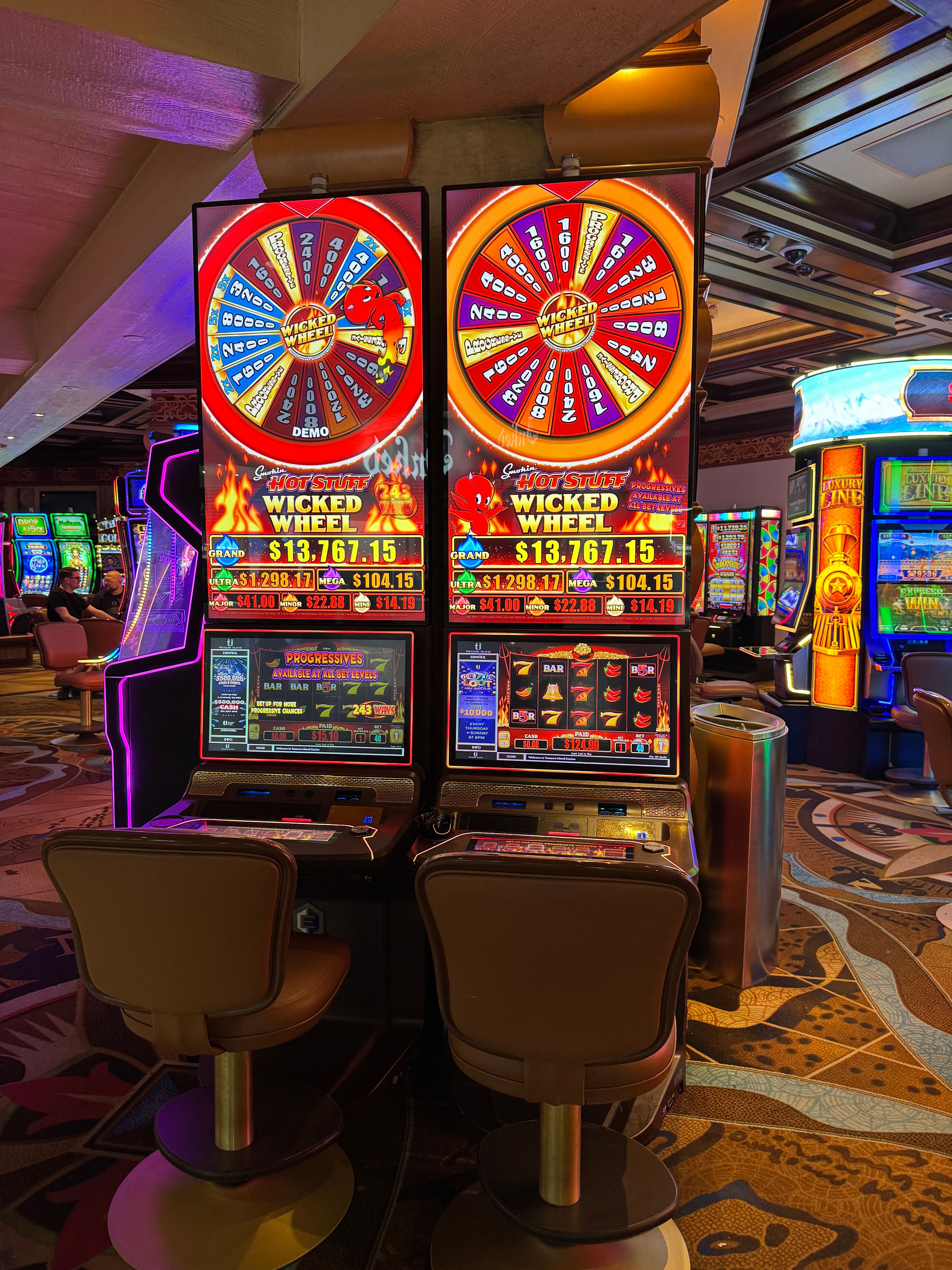
Numerous progressive games separate their prizes into multiple tiers instead of one massive pot, and I prefer this setup because it alters how the game feels. A typical layout features four levels named Mini, Minor, Major, and Grand, each with its own seed amount and contribution split. The Mini prize can be between €10 and €50 and pays out fairly often, while the Grand tier rises into the hundreds of thousands or millions. Studios like Microgaming and NetEnt use this model because it provides smaller wins along the way while still maintaining the biggest prize in view.
What tier you win depends on the bonus round or random trigger that activates during play. Some games use a wheel-style mechanic with segments sized to match each prize level, giving you a visual read on the probability spread. Others use a must-drop-by feature, which indicates the jackpot has to pay out before it crosses a publicly displayed upper limit. I monitor the must-drop threshold attentively because that deadline builds real urgency and helps me judge whether the current prize value justifies the cost.
In What Manner Must-Drop Jackpots Protect Your Timing
A must-drop jackpot has a published ceiling, such as €25,000, and the game’s algorithm assures a payout before the counter passes that mark. As the total nears the deadline, the chance of hitting the prize increases in small steps, which renders late-stage participation statistically more attractive. I consider these as timed opportunities instead of random long shots, so I schedule my sessions around the displayed counter and the game studio’s average daily drop data. A higher probability still never becomes a sure thing, so bankroll discipline remains non-negotiable.
5. The True Odds Beneath Progressive Payouts
Allow me to be blunt: a networked progressive grand prize is a infrequent event from a statistical standpoint, and you should regard it like a lottery ticket, not a reliable income stream. Developers conceal the jackpot probability in the mathematical model, and the odds for the top-tier prize often extend into the tens of millions to one. That isn’t a design flaw; it’s the only way a €20 million payout gets covered through micro-contributions without bankrupting the provider. I’ve witnessed players get annoyed because they assumed the prize frequency increases with the counter, and that mistaken expectation drives straight to reckless spending.
Mini and Minor jackpots sit in a much more accessible range, often close to a solid base-game win, which is why they occur several times a day on a busy platform. I consider progressives as two distinct wagers: your base game runs at the published RTP, and your jackpot contribution buys a micro-lottery ticket. Dividing those two parts prevents the long dry spells between blick.ch Grand triggers from feeling so burdensome, because you’re still gathering regular line wins along the way.
7. Mobile Compatibility and Progressive Play on Mobile
I still meet players who assume massive progressive prizes demand a desktop computer with a wired internet. That notion is old-fashioned. Major providers now create progressive titles in HTML5, so the jackpot counter, bonus games, and trigger mechanics run the same on a smartphone browser as they perform on a laptop. The only variable is your connection stability. If your signal drops during a bonus feature, your result usually stands because the server stores the spin result the moment you tap the button. Your phone is just the display terminal; the action takes place on the provider’s remote servers.
Touchscreen optimization makes playing a progressive reel seem native and responsive, and vibration feedback on supported devices provides a minor layer of immersion. Fix your phone’s screen orientation before you play, because an accidental rotation mid-spin can interrupt even if it causes no real problem. The Atefia Casino platform adapts seamlessly to iOS, Android, and tablet screen sizes, so the progressive meter remains entirely visible without squeezing or scaling. Review your mobile data plan or Wi-Fi signal strength before you pursue a must-drop prize that could trigger while you’re in transit.
3. Random Versus Conditional Jackpot Activation
Progressive prizes award themselves in two methods, and understanding which one you’re using changes how you structure your budget. Random activation means any spin at any bet level can deliver the grand prize, no matter what symbols land on the reels. After each spin, the game’s random number generator runs a separate split-second verification against a hidden lottery-style requirement. I like this model for low-stakes players because a €0.20 bet can still trigger a seven-figure payout without demanding a specific payline.
Triggered activation demands you to hit a particular symbol combination or finish a bonus game. Divine Fortune expects you to fill the screen with bonus coins before you can collect the progressive pot, which establishes a visible objective that feels more skill-based even though chance still runs the show. The plus side is transparency: you see exactly what you need and how close you got. The downside is that higher bet sizes often improve your odds of entering the bonus round, and that stress can drive cautious players past their comfort zone.
4. The Reason Bet Size Plays a Role More Than You Realize
Inexperienced players misinterpret the relationship between coin value and jackpot eligibility more often than you’d think. Across numerous progressive titles, only wagers placed at the maximum bet level are eligible for the top jackpot tier. Developers set the rules that way so the prize fund increases with the stakes, but it forms a trap for anyone who ignores the paytable. If you’re wagering €0.50 per round on a slot that requires a €2.00 minimum for Grand jackpot qualification, you’re essentially contributing to a prize pool you can never win.
A few newer progressive games have eliminated the max-bet requirement and instead scale your chance of triggering the jackpot with your wager. A €5 spin may have five times the probability of a €1 spin, but both stay eligible. Before I deposit a single euro, I open the game rules panel and find the jackpot section because the qualifying conditions differ significantly across providers like Playtech, Yggdrasil, and Red Tiger. That thirty-second check keeps you from learning later that your session couldn’t have hit the big one at all.
- Tap the “i” or paytable icon and go to the jackpot terms before you fund your balance.
- If a maximum wager is needed, figure out the session cost over 200 spins so you understand whether your bankroll can endure.
- For proportional probability systems, pick a bet size that juggles jackpot eligibility with per-spin affordability.
- Review the “Bet Level” indicator linked to jackpot odds, not the regular line multipliers.
8. Payment Options That Ensure Your Jackpot Funds Moving
Hitting a progressive prize is fantastic, but cashout logistics decide how fast that excitement becomes spendable money. Online wallets like Skrill, Neteller, and PayPal offer the fastest withdrawals, often sending funds within 24 hours of verification for amounts up to their respective transaction ceilings. Bank wires handle larger sums reliably but involve a multi-day waiting period and can cause extra anti-money-laundering checks on six-figure transfers and above. Set up your preferred withdrawal method and complete the Know Your Customer verification before you ever spin, because administrative delays frustrate winners more than anything else.
Crypto payouts, where available, can accelerate large withdrawals by skipping traditional banking cut-off times and intermediary fees. But crypto valuations vary, so if your casino supports it, I advise converting a significant portion to a stablecoin or fiat as soon as the funds arrive. For standard SEPA transfers within Germany, expect one to three business days, and keep in mind that a first high-value withdrawal often triggers a phone call from the operator’s security team to confirm the win.
Nine. Safe Gaming Settings for Jackpot Lovers
A climbing progressive counter can override rational decision-making faster than almost any other casino feature, so we should discuss guardrails immediately. Set a hard loss limit before you launch the game, in a concrete euro amount, not a unclear “I’ll stop when it feels like too much.” Progressives thrive on the idea that the next spin could wipe out all prior losses, but the math doesn’t care how you feel or how far down you are. I treat a progressive session as an entertainment expense with a lottery sidecar, under no circumstances as a recovery mission.
Session length counts just as much as financial limits, because the rush of watching a prize counter climb hides mental fatigue. Turn on the reality-check timer in the Atefia Casino account settings to generate a pop-up every 30 or 60 minutes and compel a deliberate pause. If you notice yourself increasing bet sizes to stay “in the race” for a must-drop jackpot, take a break for ten minutes and rejoin with clear eyes. The prize will persist, and calm judgment triumphs over urgency every time.